How Long Does a Full Apartment Renovation Take in NYC?
The most honest answer to how long a renovation takes in NYC is: longer than you think, and for reasons that have nothing to do with construction.
This is one of the first questions homeowners ask, and one of the hardest to answer well. The ranges you find online are either too vague to be useful or too specific to be accurate. The truth is that renovation timelines in NYC are shaped by a set of variables that most guides do not bother to explain, and that understanding those variables is what allows you to plan realistically.
This post breaks down the full renovation timeline, phase by phase, with realistic ranges by project type and a clear explanation of what drives the numbers. It draws on real experience managing apartment renovations across Brooklyn and Manhattan, and it is written to be genuinely useful rather than reassuringly vague.
The Two Phases Most People Forget to Plan For
Most homeowners think about a renovation in terms of construction: how long will workers be in my apartment? That is a reasonable question, but it captures only one part of the actual timeline. A renovation in NYC has two additional phases that are consistently underestimated, and that is where most timeline surprises come from.
Pre-construction
This phase covers everything that happens before demolition begins: design, material selection, board approval where applicable, permitting where required, and procurement of long-lead materials. Depending on the scope and building type, this phase can take anywhere from a few weeks to several months. It is also where the most consequential decisions get made. See how our process works for a sense of how we structure this phase.
Rushing pre-construction is one of the most reliable ways to extend the overall timeline. A project that arrives at construction day one without resolved drawings, ordered materials, or approved permits will stall repeatedly during construction while those things catch up.
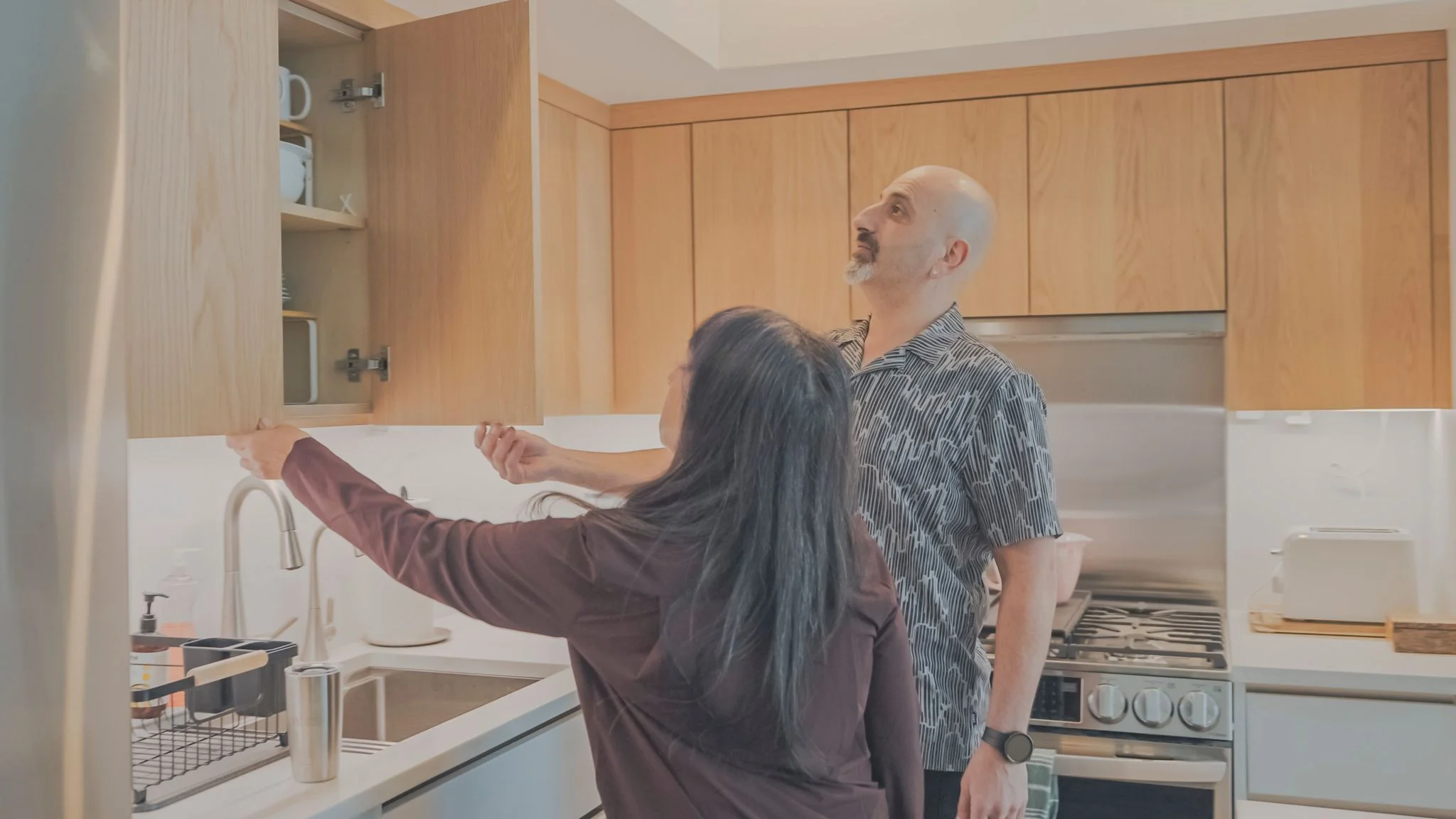
The pre-construction phase is not what happens before the renovation starts. It is part of the renovation.
Construction
This is what most people picture. It begins with demolition and ends with final installations and punch list completion. The duration depends on scope, the condition of the building, and how thoroughly the pre-construction phase was managed. Well-prepared projects run more predictably than those that were not.
Post-construction
Punch list completion, final inspections where required, permit closeout, and final cleaning. For most projects this is measured in days to weeks. It is real time that belongs in the plan.

DCON Note
We manage all three phases under one roof. The design-build model means pre-construction and construction are coordinated from the start, which reduces the gaps and handoffs that tend to cause delays in projects where design and construction are handled separately.
What Actually Drives the Timeline
Renovation timelines vary because several variables interact with each other, and they are not all within anyone’s control. Understanding them helps set realistic expectations and make smarter decisions about how to sequence the work.
- Scope of work: The single biggest driver. A cosmetic refresh with no structural changes and no licensed trade work moves faster than a full gut renovation with layout changes. The more trades involved, the more sequencing required, and the longer the project runs.
- Building type and approval requirements: A private home moves faster than a co-op or condo with board approval requirements. A building in a landmark district may require LPC review for certain exterior work. These approval processes run on their own schedules, independent of the contractor.
- Permit requirements: Projects that require DOB permits add time in the pre-construction phase. Not every renovation requires a permit, but work involving structural changes or licensed trades likely will. The complexity of the filing and current DOB processing times both affect how long this takes.
- Material lead times: Custom cabinetry, imported tile, specialty fixtures, and some appliances carry lead times that can run from several weeks to several months. These need to be specified and ordered during pre-construction. Materials that arrive after construction has started create gaps in the schedule.
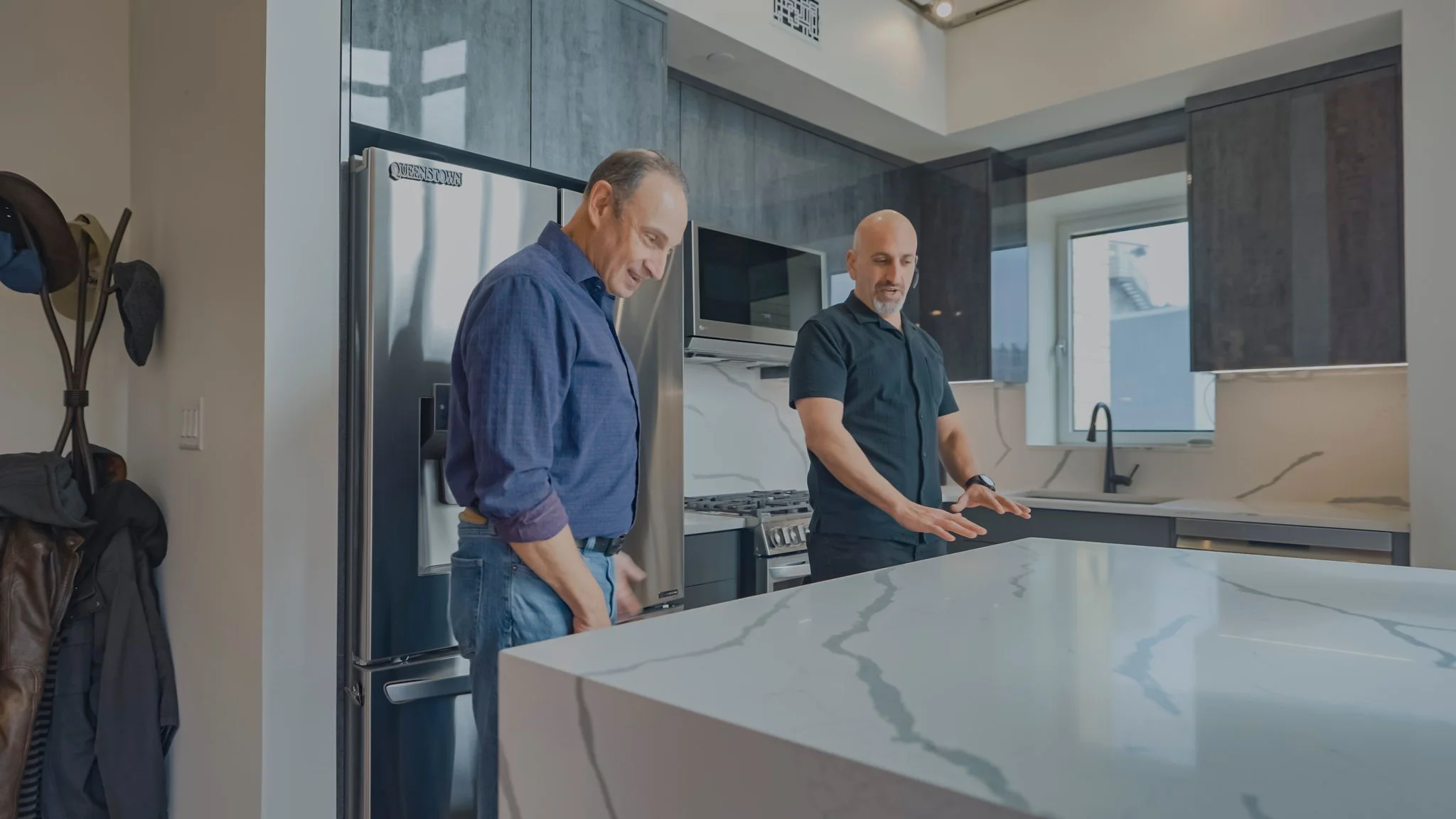
- Building conditions: Older buildings, particularly brownstones and prewar apartments, sometimes reveal conditions behind walls that need to be addressed before finish work can proceed. This is one of the harder variables to plan for precisely, which is why contingency time in the schedule is a realistic expectation rather than a pessimistic one.
DCON Note
Our project management process identifies and tracks these variables from the pre-construction phase, so the construction schedule is built on realistic assumptions. When something shifts, we communicate it early rather than at the last minute.
Realistic Timeline Ranges by Project Type
With the above context in mind, the ranges below give a general sense of what different project types tend to involve in NYC. They are starting points for planning conversations, not guarantees. Every project is shaped by its own variables, and timelines get refined as the scope, building, and approvals become clearer.
Project Type | Typical Total Duration |
Kitchen renovation (cosmetic, no layout change) | 2 to 4 months |
Kitchen renovation (full gut, layout changes) | 4 to 7 months |
Bathroom renovation | 2 to 4 months |
Full apartment renovation (1 to 2 bedroom) | 5 to 9 months |
Full apartment renovation (3 bedroom and larger) | 7 to 12 months+ |
Brownstone floor or unit renovation | 5 to 10 months |
These ranges assume a well-managed pre-construction phase. Projects where design decisions are made late, materials are ordered after construction begins, or approvals are pursued without adequate preparation will run longer.
They also assume building conditions are reasonably consistent with what was visible during pre-construction. In older buildings particularly, what the walls reveal once demolition begins can add time that was not in the original schedule.
For brownstone projects specifically, the ranges above reflect a single floor or unit. Full building restorations are a longer undertaking. See our guide to renovating a Brooklyn brownstone for more context on that project type.
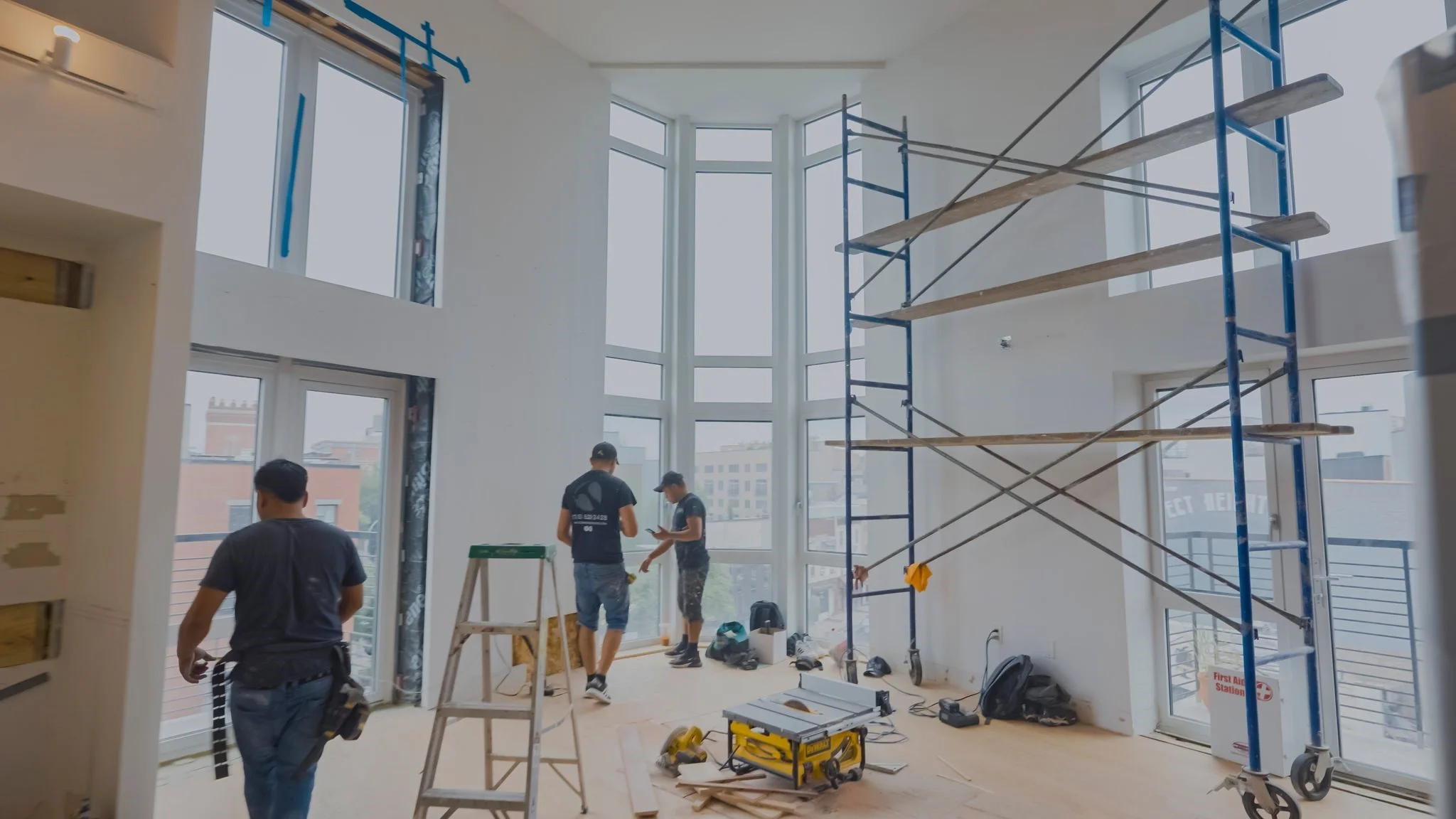
Every project is shaped by its own variables, and timelines get refined as the scope, building, and approvals become clearer.
The Pre-Construction Phase in Detail
Because pre-construction is the phase most often underestimated, it is worth looking at what actually happens during it. This is where the project gets designed, documented, approved, and prepared, and where the decisions that have the most impact on construction are made.
- Design and documentation: Floor plans, material selections, cabinetry drawings, finish schedules. The more resolved these are before construction begins, the more predictably construction runs. Incomplete design is one of the most consistent causes of mid-construction delays.
- Board submission and approval: Where applicable, this runs on the building’s schedule. Timing the submission correctly relative to the board’s meeting calendar is something an experienced contractor will manage as part of the process.
- Permit applications: Where required, the DOB filing process takes time that varies by scope and current processing loads. This is not something that can be rushed, and it needs to be initiated early.
- Material procurement: Specifying and ordering long-lead items during pre-construction so they arrive in time for installation is one of the highest-impact things a well-organized pre-construction phase does for the construction schedule.
- LPC applications: Where the building is in a landmark district and exterior work is planned, LPC review runs on its own timeline and needs to be initiated as early as possible.
Pre-construction is where the investment in planning pays off. A project that arrives at construction day one with resolved drawings, ordered materials, and approved permits runs very differently from one that does not.
DCON Note
Managing pre-construction thoroughly is one of the things we are most focused on. The construction schedule is either set up to succeed or set up to stretch during this phase, and we treat it accordingly.
What You Can Do to Keep Things on Track
There are variables in a renovation timeline that no one controls: what the building reveals, how long approvals take, how the DOB is processing applications at a given time. But there are variables that homeowners and their contractors can influence, and they are worth paying attention to.
- Make decisions early and commit to them: Late changes to scope, materials, or design are one of the most reliable sources of delay. The more resolved your decisions are before construction begins, the more predictably the project runs.
- Order long-lead materials during pre-construction: Cabinetry, tile, fixtures, and appliances with long lead times need to be specified and ordered before construction begins, not during it.
- Build realistic runway into your planning: Work backward from when you want to be done, factor in pre-construction time, and start earlier than feels necessary. Projects that begin with enough runway finish on time far more often than those that begin rushed.
- Choose a contractor who manages the schedule actively: A well-run project is one where the contractor tracks the schedule as carefully as the budget, communicates proactively, and surfaces issues before they become delays.
The Bottom Line
NYC renovation timelines are longer than most people expect, and for reasons that have more to do with process than with construction. Understanding those layers, and planning around them, is the difference between a project that runs on schedule and one that does not.
The most important things you can do are start earlier than feels necessary, make decisions before construction begins, and work with a team that manages the process as carefully as they manage the work.
If you are starting to think about a renovation and want a realistic picture of what your specific project might involve, we would be glad to have that conversation.
🔗 Explore More
Learn more about what DCON can do for your home:
Recent Articles

Categories
- Apartment Renovation (32)
- Basement Renovation (7)
- Bathroom Remodeling (28)
- Brownstone Renovation (16)
- Design | Build (19)
- Eco-friendly Renovation (4)
- Exterior Renovations (4)
- Home Remodeling (20)
- Home Renovation (27)
- Interior Renovation (31)
- Kitchen Remodeling (26)
- Other (4)
Related Articles