Renovating a Brooklyn Brownstone: What to Expect
Brownstones are some of the most beautiful homes in Brooklyn. They are also some of the most complex to renovate. Here is what experienced owners know before they start.
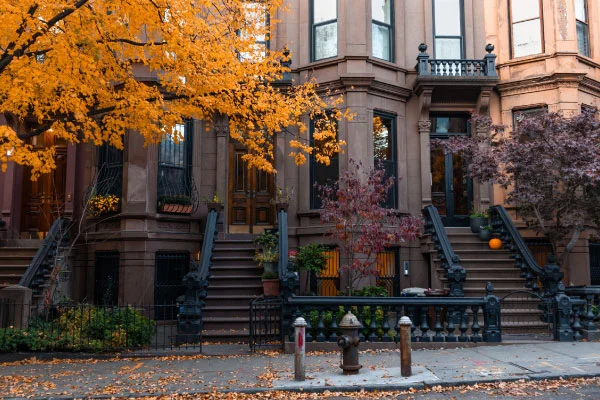
There is something about a Brooklyn brownstone that draws people in. The scale, the craftsmanship, the details that have survived a hundred years or more. The neighborhoods they sit in. The sense that you are living in a piece of the city’s history rather than just occupying space in it.
That appeal is real, and so is the complexity that comes with it. Renovating a brownstone is a different undertaking than renovating a condo or a newer apartment. The building type brings its own set of considerations, from the age of the structure to the neighborhoods many of them sit in. This guide gives brownstone owners a realistic picture of what to expect, drawing on real experience with brownstone interior restorations across Brooklyn.
What Makes a Brownstone Renovation Different
Most Brooklyn brownstones were built between the 1860s and 1920s. That history is part of their appeal, and it is also what makes renovating them distinct from working in a newer building.
Age of the structure
Original or early-replaced plumbing, knob-and-tube or early electrical wiring, plaster walls, and structural systems that predate modern building codes are all common. Renovation work often uncovers conditions behind walls that need to be addressed before finish work can proceed.
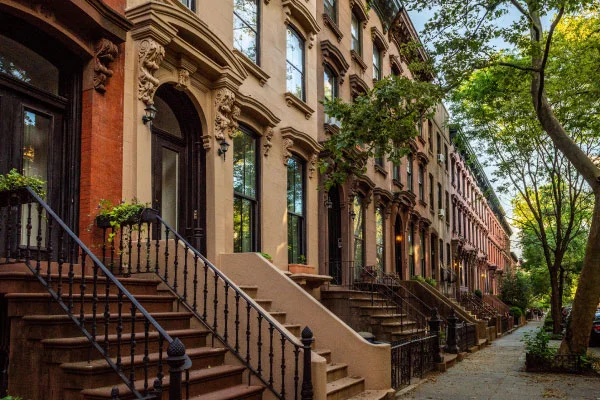
Renovating a brownstone is not harder than other projects. It is different. And that difference rewards experience.
The building fabric itself
Brownstone, brick, plaster, old-growth timber joists. These materials behave differently than modern construction. Working with them requires experience and care, particularly when it comes to preserving original details that are part of the home’s character.
Multi-unit considerations
Many Brooklyn brownstones are configured as multi-family buildings. Renovation scope and approvals can be more complex depending on whether the work affects common areas, shared systems, or the building envelope.
Landmark districts
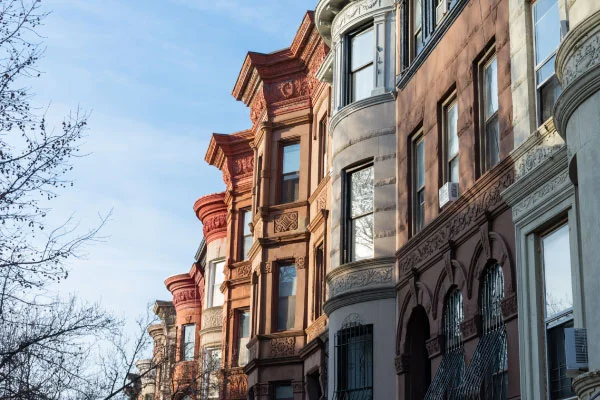
A significant portion of Brooklyn’s brownstone neighborhoods fall within NYC Landmarks Preservation Commission districts. This affects what approvals are required, particularly for exterior work. More on this in the next section.
DCON Note
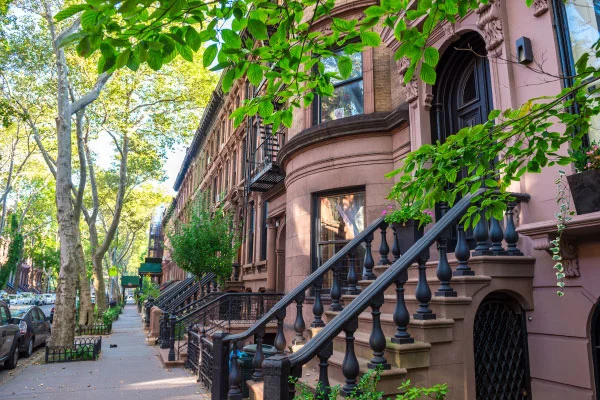
We have worked extensively across Brooklyn's brownstone neighborhoods and understand the building type from experience. Park Slope, Cobble Hill, Brooklyn Heights, Carroll Gardens, Boerum Hill. Each neighborhood has its own character, and many have their own specific considerations.
Landmark Districts and What They Mean for Your Renovation
If your brownstone sits within a Landmarks Preservation Commission (LPC) district, certain work requires LPC approval before it can proceed. This is one of the most common questions brownstone owners have, and the answer is more nuanced than a simple yes or no.
What typically requires LPC approval
- Exterior alterations visible from a public thoroughfare, including changes to windows, doors, stoops, facades, and rooflines
- Changes to the front of the building including materials, finishes, and architectural details
- Installation of mechanical equipment visible from the street
What typically does not require LPC approval
- Interior work, in most cases
- Like-for-like repairs and maintenance that do not change the character of the original material
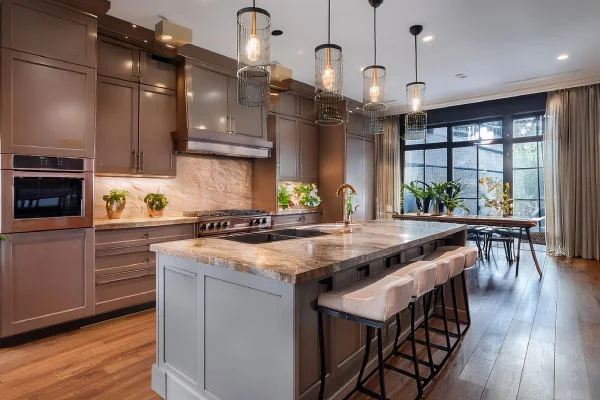
- Rear yard work, in many cases, though this varies by district and scope
LPC review timelines vary. Straightforward applications that qualify for staff-level approval can move relatively quickly. More complex proposals, or those involving significant exterior changes, may require a public hearing and take considerably longer. Understanding upfront whether your planned scope touches anything that requires LPC review is an important part of building a realistic timeline.
It is also worth noting that LPC requirements and DOB permitting are separate processes. A project may require both, and the timelines run independently.
DCON Note
We handle LPC applications as part of our pre-construction process for brownstone projects in landmark districts. It is part of the work, not an extra step the client has to navigate alone.
What Tends to Come Up Behind the Walls
One of the most consistent things about brownstone renovations is that the building reveals things once demolition begins that were not visible during the pre-construction phase. This is not a sign that something went wrong. It is the nature of working in buildings that are 100 to 150 years old, and experienced contractors plan for it.
- Outdated electrical systems: Knob-and-tube wiring and early panel boxes are common in brownstones of this era. Depending on scope, upgrading to modern electrical is often necessary, and in some cases the existing wiring needs to be addressed before other work can safely proceed.
- Plumbing: Original or early-replaced cast iron and galvanized steel plumbing is typical. Work that involves opening walls or floors often surfaces plumbing conditions that need to be addressed as part of the project.
- Structural conditions: Older joists, lintels, and load-bearing elements sometimes reveal deterioration or past modifications that need to be remediated. This is especially common in buildings that have been converted, subdivided, or worked on multiple times over the decades.
- Hazardous materials: Asbestos and lead paint are common in buildings of this age and require proper testing and remediation protocols before work in those areas can proceed.
A contingency in the project budget, typically in the range of 15 to 20 percent for brownstone projects, is a realistic expectation rather than an optional buffer. Projects with more significant scope or in buildings that have not been renovated recently should plan toward the higher end of that range.
DCON Note
Experience with brownstones means we know what to look for during pre-construction and how to handle what comes up without it derailing the project. We have seen most of it before.
Preserving Character While Modernizing
Most brownstone owners are not looking to gut their home and start from scratch. They want to preserve what makes the building special while bringing it up to a standard that works for how they actually live. That tension is at the heart of every good brownstone renovation.
The original details in these buildings are extraordinary. Restoring and integrating them into a modern renovation takes both skill and judgment. It requires knowing when to preserve, when to restore, and when something has deteriorated beyond saving and needs to be thoughtfully replaced.
Original details worth preserving where possible:
- Plaster ceiling medallions and decorative moldings
- Original hardwood floors, which can often be restored rather than replaced
- Marble fireplace surrounds and mantels
- Original millwork, door casings, and baseboards
- Exposed brick, where structurally sound and appropriate to the space
The renovation decisions that matter most are the ones that bring modern systems, layout, and finishes into dialogue with the building’s original character rather than overwriting it. That balance is a design skill, not just a construction one.
DCON Note
Brownstone interior restoration is the renovation type that requires the most considered approach. We treat the existing building as the starting point for the design, not an obstacle to work around.
Scope, Timeline, and Cost: What to Expect
These are the three questions every brownstone owner asks at the start. The honest answer to all three is that they depend significantly on the condition of the building, the scope of the work, and what comes up along the way. That said, some directional context helps.
Scope
Brownstone renovations range from focused interior work on a single floor or unit to full building restorations that address structure, systems, envelope, and interiors together. The scope of your project shapes everything else: the timeline, the budget, the approvals required, and who you need on your team. Being clear on scope early is one of the most important things you can do before the process begins.
Timeline
A focused interior renovation of a single floor or unit in a brownstone can run from a few months to six months or more depending on scope and building conditions. A full building renovation involving multiple units, exterior work, and systems replacement is typically a longer undertaking. The pre-construction phase, including approvals, permitting, and design, needs to be factored into the overall timeline from the start. See how our project process works for a sense of how we structure and manage this.
Cost
Brownstone renovations in Brooklyn generally cost more per square foot than comparable work in a newer building. Older systems, historical conditions, and in some cases landmark requirements all contribute to that. A contingency budget is not optional; it is a realistic expectation for work of this type, and planning around it from the start makes for a less stressful process.
DCON Note
Scope, timeline, and cost are conversations we start early and revisit as the project develops. In a brownstone, things change as the building opens up, and we think it is more useful to be honest about that from the start than to present numbers that may not hold.
The Bottom Line
Renovating a Brooklyn brownstone is one of the more complex residential projects you can take on in New York City. It is also one of the most rewarding. These buildings have extraordinary bones, and when renovation work is done with care and the right experience, the result is a home that feels both deeply connected to its history and genuinely livable for today.
The key is going in with realistic expectations, the right team, and enough flexibility in your plan and budget to handle what the building reveals along the way.
If you are thinking about a brownstone renovation, we would be glad to talk through what your specific project might involve. Take a look at our completed projects for a sense of the work we do, and reach out whenever you are ready.
🔗 Explore More
Learn more about what DCON can do for your home:
Recent Articles
Categories
- Apartment Renovation (32)
- Basement Renovation (7)
- Bathroom Remodeling (28)
- Brownstone Renovation (16)
- Design | Build (19)
- Eco-friendly Renovation (4)
- Exterior Renovations (4)
- Home Remodeling (20)
- Home Renovation (27)
- Interior Renovation (31)
- Kitchen Remodeling (26)
- Other (4)
Related Articles