The Complete Guide to Renovating a Condo or Co-op in NYC
If you’ve ever tried to Google “how to renovate a co-op in NYC” and closed the tab more confused than when you started, this is the guide we wish existed.
Renovating in New York City is genuinely more complex than almost anywhere else. It’s not just about choosing the right tile or finding a contractor you trust. Before a single wall comes down, there’s a layer of board approvals, permit filings, alteration agreements, and building-specific requirements that can feel completely impenetrable, especially the first time.
The good news: it’s entirely manageable when you understand what’s actually required. This guide walks you through everything NYC homeowners need to know before renovating a condo or co-op, from board approvals to DOB permits to what your contractor needs to provide on day one. And if you’d rather hand off the complexity entirely, that’s exactly what DCON Renovations is here for.
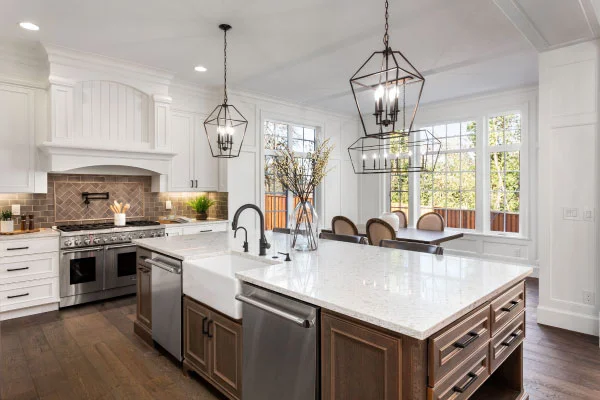
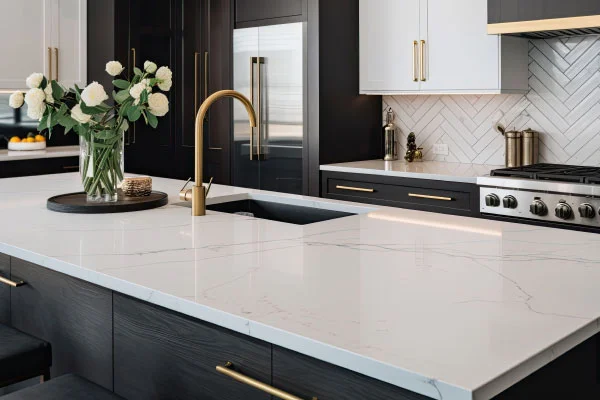
These refined details are becoming must-haves in 2025 luxury renovations, especially for homeowners looking to enhance both visual space and resale appeal.
Condo vs. Co-op: Why It Matters Before You Do Anything
The first thing to understand is that not all NYC apartments are created equal, and the type you own has a direct impact on what your renovation process looks like.
In a co-op, you don’t technically own your apartment. You own shares in a corporation that owns the building, and those shares come with a proprietary lease to occupy your unit. That means the co-op board has significant authority over what you can and cannot change, how construction is conducted, and who you’re allowed to hire.
In a condo, you own the unit itself. You have more flexibility, but the building’s condo association still has rules and typically requires advance notice or approval for renovation work.
Why does this matter? Because before you start calling contractors or pulling inspiration from Instagram, you need to understand what your building will and won’t allow. Getting that clarity upfront saves you from designing a renovation that your board will never approve, or starting construction before all the paperwork is in order.

The homeowners who have the smoothest renovations aren't the ones who got lucky. They're the ones who started with a clear plan, chose experienced partners, and gave themselves enough time.
The Alteration Agreement
Most co-ops and many condos require you to sign an alteration agreement before any work begins. This is a legally binding document between you (the shareholder or unit owner) and the building. It governs the entire scope of the renovation: what’s permitted, the working hours your contractor must follow, insurance and licensing requirements, liability, access to common areas, and what happens if something goes wrong.
Don’t skip reading this document carefully. What’s in it will shape your entire project, including your timeline and your budget.
The Approval Process, Step by Step
This is where most homeowners feel the most overwhelmed, and where working with an experienced design-build firm makes the biggest difference. Here’s what the pre-construction approval process actually looks like:
Step 1: Get your building's alteration agreement and house rules
Contact your managing agent and request a copy of both the alteration agreement and the building’s house rules. Read everything. Pay particular attention to:
- Permitted working hours (typically 8am to 5pm on weekdays, no weekends in most buildings)
- Required contractor insurance coverage amounts
- Elevator reservation and protection requirements
- Noise and dust containment obligations
- Any restrictions on specific types of work or materials
Step 2: Prepare your submission package
Most boards require a complete package before they’ll even schedule your review. This typically includes:
- Architectural drawings or a detailed written scope of work
- Your contractor’s license and insurance certificates
- A signed copy of the alteration agreement
- Any required DOB permit applications (see Section 3)
This is one of the areas where DCON’s design-build process creates real value. We prepare the entire submission package and coordinate directly with your managing agent, so the right documents get to the right people, on time.
Step 3: Board review or building notification (if required)
This step varies significantly depending on your building. Co-ops almost always require formal board approval before work can begin. Condos vary, some require a full board review, others simply need advance written notice to the managing agent. A few buildings handle minor renovation scopes administratively, without a meeting at all.
Find out early how your specific building handles this, and factor the timeline into your planning from the start.
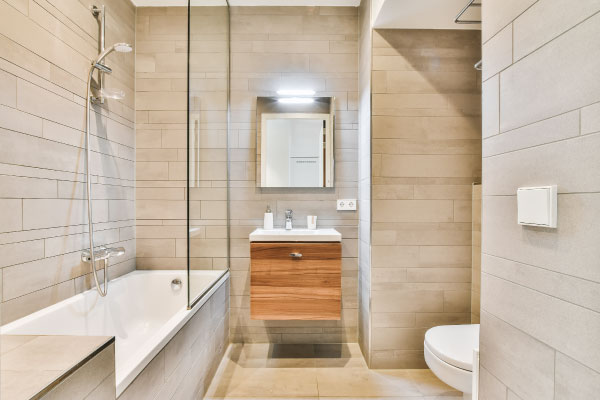
Contact your managing agent and request a copy of both the alteration agreement and the building's house rules.
Step 4: File with the NYC Department of Buildings (if required)
Not every renovation requires a permit from the NYC Department of Buildings (DOB). Cosmetic work and straightforward upgrades that don’t involve licensed trades typically don’t trigger a filing. But many renovations do, and it’s important to know where that line is before work begins.
A DOB permit is generally required when the scope includes:
- Removing or relocating walls (structural or non-structural)
- Any changes to electrical, plumbing, or HVAC systems
- Combining two apartments or reconfiguring a floor plan significantly
- Work in a registered landmark building or district
If your scope does trigger a permit, note that the DOB process is separate from your building’s board approval. You need both, and the timelines run independently of each other. Unpermitted work is a serious risk. It can result in stop-work orders, substantial fines, and complications that become outright deal-killers when you go to sell.
Step 5: Landmarks review (if applicable)
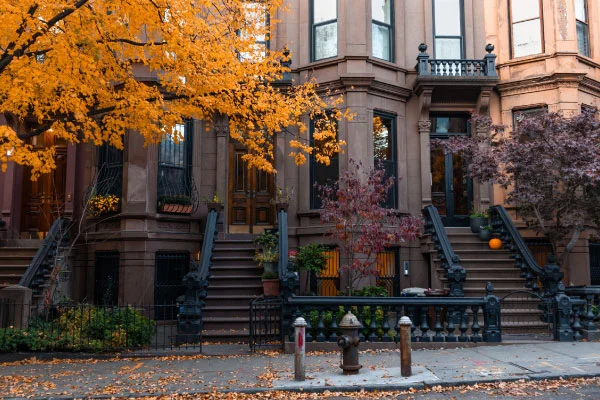
If your building is in a NYC Landmark Preservation Commission (LPC) district, which includes much of brownstone Brooklyn (Park Slope, Cobble Hill, Brooklyn Heights, Carroll Gardens) and large portions of Manhattan, you may need LPC approval for certain changes. This most commonly applies to exterior alterations, but some interior work in individual landmark buildings requires review as well.
For clients renovating brownstones in these neighborhoods, this step is part of our standard pre-construction process. Learn more about DCON’s brownstone renovation services.
What Can and Cannot You Change?
One of the most common misconceptions we encounter: homeowners assume that because they own the unit, they can do whatever they want to it. The reality is more nuanced, and understanding the categories of work helps you set realistic expectations before design begins.
Cosmetic changes
Paint, wallcovering, flooring, light fixtures, appliances, cabinet hardware. Generally permitted without board approval in most buildings, though some require you to notify the managing agent before work begins. These are typically straightforward.
Moderate renovations
Full kitchen remodels, bathroom renovations, custom millwork and cabinetry, built-in storage. These typically require board submission and full contractor documentation. If any licensed trade work is involved (plumbing, electrical), a DOB permit is very likely required.
Major structural and layout changes
Opening walls, relocating kitchens or bathrooms, combining rooms, reconfiguring the apartment’s layout significantly. These almost always require DOB permits, board approval, and architect-stamped drawings. In co-ops, some of these changes may require shareholder approval as well, depending on your proprietary lease.
DCON Note
Building requirements can shift as a project moves through approvals. Our team has navigated this process across hundreds of projects in Brooklyn and Manhattan, and we know how to keep things moving when they do.
How Long Does All of This Take?
Timeline is the variable that surprises first-time renovators most. Here’s a realistic picture of the pre-construction phase alone, before a single contractor sets foot in your apartment:
Stage | Typical Duration | Notes |
Gather building documents | 1 to 2 weeks | Alteration agreement, house rules, board meeting schedule |
Board submission & approval | 2 to 6 weeks | Dependent on when the board meets next |
DOB permit filing | 2 to 8 weeks | Complexity and scope dependent |
LPC review (if required) | 4 to 12 weeks | Landmark districts only |
Design & material selection | 4 to 8 weeks | Can run in parallel with approvals |
Add it up and the pre-construction phase alone, from initial paperwork to having approved permits and a confirmed start date, can take anywhere from 8 to 20 weeks for a full renovation. This is not a reason to panic. It’s a reason to start earlier than you think you need to.
The homeowners who hit their target move-in dates are the ones who accounted for approval timelines before they started. See how our project process works to understand how we manage this phase on your behalf.
What Your Contractor Must Provide
Every building has its own documentation requirements, and they’re not always consistent, even within the same building type. Rather than a fixed checklist, think of it as a starting point. We submit the essentials upfront and work with the managing agent to confirm exactly what’s needed for your specific scope of work.
At a minimum, most buildings will ask for some combination of the following:
- Contractor’s license
- Insurance certificates
- Signed indemnification agreement
- Detailed scope of work
Beyond the basics, some buildings layer on additional requirements depending on the scope: licensing and insurance certificates for trade contractors such as plumbers and electricians, approved materials and installation methods, specific protection protocols, and more. We handle that back and forth directly with your building so you don’t have to.
5 Mistakes to Avoid
These are the most common and most costly mistakes we see from homeowners going through this process for the first time:
1. Not setting a realistic budget before starting the approval process
Buildings typically have an extensive list of requirements, but which ones apply to your specific project gets confirmed as you move through the approval process. This can have an impact on scope and costs along the way, so going in with a flexible budget and realistic expectations matters.
2. Building a timeline without accounting for approvals
Buildings typically have an extensive list of requirements, but which ones apply to your specific project gets confirmed as you move through the approval process. This can have an impact on scope and costs along the way, so going in with a flexible budget and realistic expectations matters.
Buildings typically have an extensive list of requirements, but which ones apply to your specific project gets confirmed as you move through the approval process.
3. Hiring a contractor who doesn't know NYC building requirements
Not every contractor understands alteration agreements, DOB permit processes, or the specific documentation requirements of co-op and condo buildings. An inexperienced contractor will cost you time, board goodwill, and money. Work with a firm that has a proven track record in NYC residential renovation.
4. Choosing a contractor based on price alone
The lowest bid rarely accounts for the full scope of what NYC renovations require. Experience navigating building approvals, managing licensed trades, and keeping a project on track in a co-op or condo building has real value. A contractor who hasn’t done this before will cost you more in time and frustration than the savings on paper. See our completed projects to get a sense of the work we do.
5. Not reading the house rules closely enough
Your building’s house rules cover everything from working hours to elevator reservations to approved disposal methods. A contractor who works regularly in NYC residential buildings will know what to expect and come prepared.
The Bottom Line
Renovating a condo or co-op in NYC isn’t simple. But it’s entirely manageable when you understand the process and have the right people in your corner.
The approvals, the filings, the board coordination. None of this has to fall on you. That’s what a true design-build firm is for: to carry that complexity so you can focus on the part that actually matters to you, which is ending up with a space that feels intentional, functional, and completely yours.
Whether you’re at the very beginning of your thinking or already deep in the research phase, we’d love to have a real conversation about your project. No pressure, no obligation. Just clarity on what’s possible for your space.
🔗 Explore More
Learn more about what DCON can do for your home:
Recent Articles
Categories
- Apartment Renovation (32)
- Basement Renovation (7)
- Bathroom Remodeling (28)
- Brownstone Renovation (16)
- Design | Build (19)
- Eco-friendly Renovation (4)
- Exterior Renovations (4)
- Home Remodeling (20)
- Home Renovation (27)
- Interior Renovation (31)
- Kitchen Remodeling (26)
- Other (4)
Related Articles