What Is a Design-Build Firm and Why Does It Matter for Your Renovation?
Most people start a renovation by searching for a contractor. What they often discover along the way is that who you hire and how you structure the process shapes the entire experience, not just the outcome.
The design-build model is one that many homeowners encounter during their research but do not fully understand. It is often described in vague terms that make it sound appealing without explaining what it actually means in practice. This post does the opposite: a clear explanation of what a design-build firm is, how it differs from the traditional approach, and when it tends to be the right fit.
It also explains how DCON works specifically, because the model varies between firms and the details matter.
The Traditional Approach and Where It Gets Complicated
In a traditional renovation, the homeowner typically hires a designer separately from the contractor. The two parties work in sequence: design is developed first, then the project goes out to bid, then a contractor is hired to build what was designed.
This approach can work well. It also introduces a set of friction points that are worth understanding before you decide how to structure your own project.
- Design-construction gaps: When design and construction are handled by separate firms, what gets designed and what can be built on a given budget sometimes diverge. A design that looks right on paper may require scope adjustments once a contractor reviews it, which means revisions, delays, and sometimes disappointment.
- Divided accountability: When something goes wrong on a renovation, the question of whose responsibility it is can become complicated when the designer and contractor are different parties. Each may point to the other.
- Communication overhead: Managing the relationship between a designer and a contractor falls to the homeowner in a traditional arrangement. That coordination takes time and attention that most clients did not anticipate when they started.
- Budget surprises at bid time: A design that was developed without real-time input from a contractor can come back with a budget that does not match expectations when it finally goes to bid.
None of this means the traditional model is the wrong choice. It can work very well with the right parties and the right project. The point is to understand the tradeoffs before you decide.
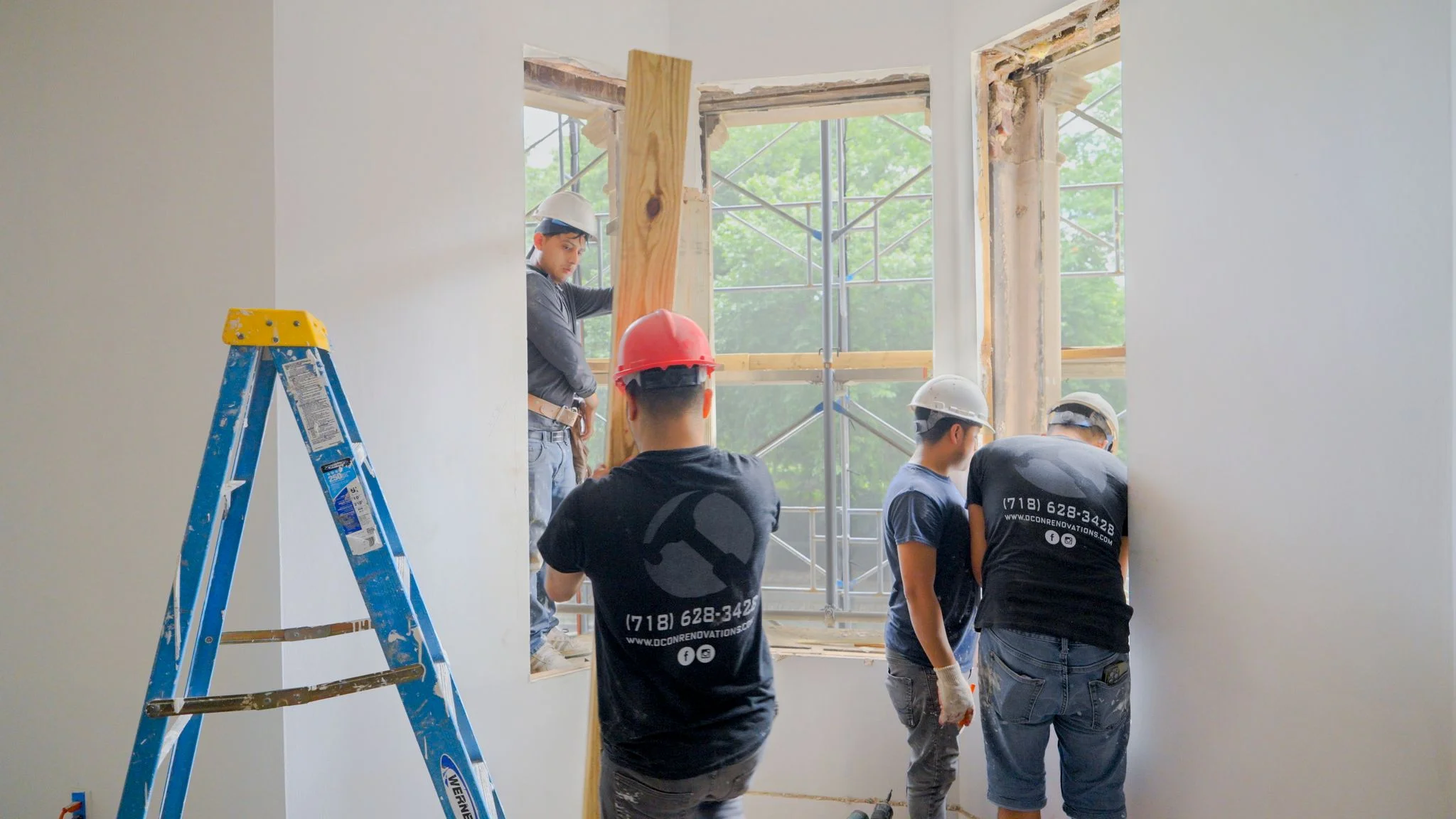
One team, one point of accountability, and a process managed from start to finish. That is the through-line regardless of whether the client brings their own design or works with ours.
What a Design-Build Firm Actually Does
A design-build firm handles both the design and construction of a renovation under one roof. Rather than hiring a designer and a contractor separately and managing the relationship between them, the client works with a single firm that can take the project from concept through completion.
At DCON, design is offered as a package for clients who want that full guided experience, working through layout, material selection, and all the details with our team. For clients who come in with their own design direction already defined, we work with what they bring and focus on executing it well. The model is flexible, but the through-line is always the same: one team, one point of accountability, and a process that is managed from start to finish. You can read more about how our process works on our website.
- Design and construction are developed together: Rather than completing design in isolation and handing it to a contractor, the design process incorporates real construction knowledge from the start. Material choices, structural implications, and buildability are considered as the design develops, not after.
- Design and budget are developed in dialogue: Clients have the freedom to explore and design what they want. The budget conversation is refined based on those decisions rather than arriving as a fixed constraint at the start or a surprise at bid time.
- One point of contact and accountability: Questions, decisions, and issues go to one team that is responsible for the full scope. The client does not manage a relationship between two separate parties.
Procurement and project management are handled internally: Sourcing materials, coordinating trades, managing the construction schedule, and handling building-specific requirements are all within the same organization.

DCON Note
Every project at DCON moves through design or design review, approvals, construction, and final delivery as a single coordinated process. Whether we are leading the design or working with a direction the client brings, the construction and project management experience is the same.
How the Two Approaches Compare
Here is a straightforward comparison across the dimensions that matter most to homeowners considering a renovation:
Traditional approach | Design-build | |
Who you hire | Designer and contractor separately | One firm that can handle both, or execute your existing design |
Accountability | Divided between two parties | Single point of responsibility |
Budget and design | Cost confirmed at bid, after design | Design and budget developed in dialogue |
Communication | Homeowner coordinates between parties | One team manages the process |
Design-construction alignment | Can diverge between design and build phases | Developed and refined together |
Procurement | Often managed separately | Handled internally |
Neither model is universally superior. The traditional approach can work very well with the right parties and the right project. The design-build model tends to reduce friction in complex projects where coordination, budget management, and accountability are particularly important, and in NYC specifically where the layers of building approvals and trade coordination add meaningful complexity.
When Design-Build Tends to Be the Right Fit
The design-build model is not the right fit for every project or every client. It tends to work particularly well in these situations:
- The project is complex
- Design and budget are refined together: Clients who want the freedom to explore what they want and then have an honest conversation about what that costs benefit from a process where design and budget move in dialogue rather than in sequence.
- The client wants a managed experience: Design-build is a good fit for clients who want to be involved in decisions without having to manage the process themselves. One team, one conversation, one set of expectations.
- The project is in NYC specifically
DCON Note
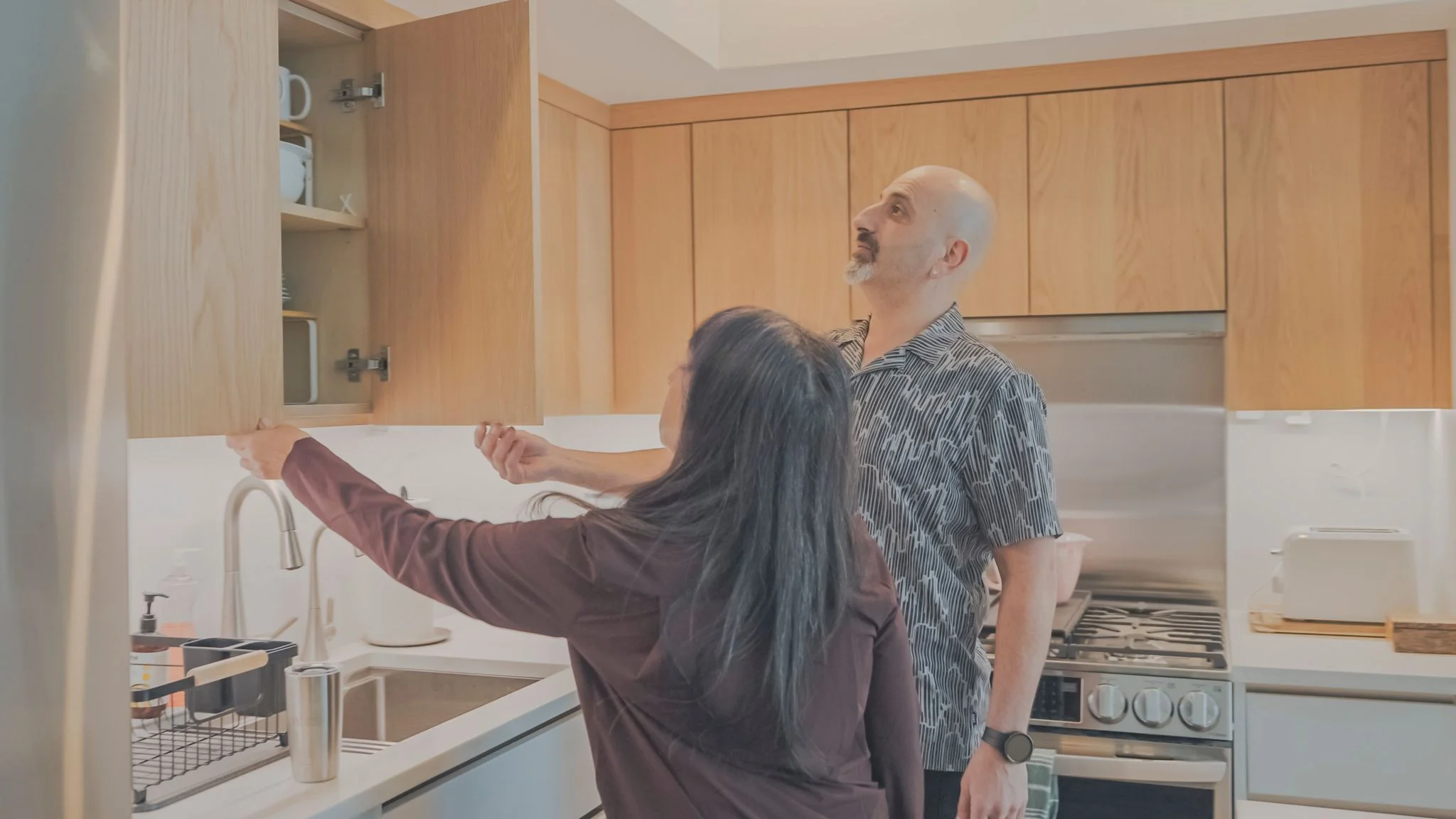
Most of our clients come to us because they want their renovation handled well. Some bring a clear design direction and need an experienced team to execute it. Others want to work through the design with us from the beginning. Both are a good fit for how we work.
What to Look for in a Design-Build Firm
Not all design-build firms operate the same way. If you are evaluating this model for your renovation, here are the things worth looking into before you decide:
- How integrated are design and construction in practice: Some firms describe themselves as design-build but operate more like a designer who subcontracts construction, or a contractor who offers design as an add-on. Ask how the two functions actually work together on a real project, and what happens when the design needs to change once construction is underway.
- Experience with your building type and neighborhood: NYC renovations involve specific knowledge of co-op and condo requirements, landmark districts, and the conditions common in older buildings. Experience with your specific context matters more than general renovation experience.
- How they handle the unexpected: In any renovation, things come up that were not anticipated. How a firm communicates and responds when that happens is more telling than how they describe the process when everything goes to plan. Ask past clients about this specifically.
- Completed work and references
The Bottom Line
Understanding how a renovation is structured before you start is one of the most useful things you can do. The model you choose shapes the experience as much as the firm you choose within it.
The design-build approach is not right for everyone, but for clients who want a managed process, integrated design and construction, and a single team that is accountable for the full scope, it removes a meaningful amount of friction from what is already a complex undertaking in New York City.
If you are weighing your options and want to understand more about how DCON works and whether it is the right fit for your project, we would be glad to have that conversation.
Want to understand if DCON is the right fit for your project?
Schedule a free consultation!
🔗 Explore More
Learn more about what DCON can do for your home:
Recent Articles


Categories
- Apartment Renovation (34)
- Basement Renovation (7)
- Bathroom Remodeling (29)
- Brownstone Renovation (16)
- Design | Build (20)
- Eco-friendly Renovation (4)
- Exterior Renovations (4)
- Home Remodeling (22)
- Home Renovation (29)
- Interior Renovation (31)
- Kitchen Remodeling (27)
- Other (4)
Related Articles